
Cover
QRCA Views Summer 2023
Stay informed of the latest qualitative research trends and tools with QRCA VIEWS magazine. […]

Stay informed of the latest qualitative research trends and tools with QRCA VIEWS magazine. […]

A role model is someone whose behavior is in some ways imitated by others, primarily because role models have abilities. But it is their passion, values, and willingness to help others through coaching and mentoring that stands out. […]
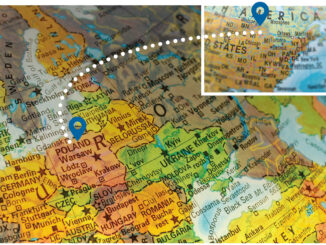
Professor Weronika Kusek knows firsthand that while one’s physical home may change, we carry our identity wherever we go. A migrant from Poland to the United States, she discusses the complexities of living between two countries, with teaching commitments in one and extended family in another, all while conducting qualitative research. Her current work focuses on migrants in Poland, specifically on Ukrainian laborers moving into Poland. This research is led by current global events, as many Ukrainians come to Poland due to the refugee crisis caused by the Russian invasion of Ukraine. […]

Wall Street Journal bestselling author & Vice President of Customer and Marketing Insights Karen Mangia of Salesforce talks tech, people management, and the state of the research industry with Mike Carlon, podcast host. […]

A long-term online consumer research community in Germany reveals choices consumers make on consumption and purchasing habits around sustainability impact in light of the economic downturn. The reader will gain a deeper understanding of the effectiveness of sustainability programs and the extent to which consumers are willing to alter their lifestyles for conservation. […]

With a background as a professional stand-up comedian, focus group moderator/interviewer Leigh Kessler delivers a unique perspective on the fundamentals of both, highlighting similarities and sharing three unique lessons learned in stand-up comedy that can help develop interview skills and make you a great focus group moderator. Learn how you can benefit as a moderator—and businessperson—by spending a little time doing stand-up comedy. […]
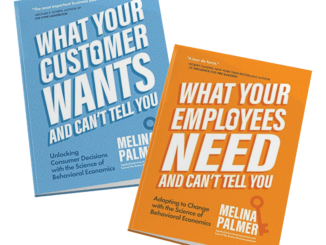
Karen Lynch reviews two books by the same author on the application of behavioral economics: one for anyone serving customers; the other for anyone managing a team or with a staff. Lynch gives both books a “must read” for qualitative researchers. […]

As the agriculture industry faces several challenges, it’s adapting through professionalization and increasing its dependence on data to make decisions. The industry is unique and the author shares her industry knowledge to equip qualitative researchers with the skillset for responding to research in this sector. […]
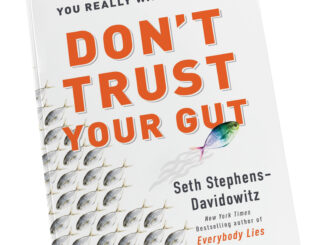
Mira Lares reviews this book which presents the importance of data-backed strategies in building better lives. Addressing everything from parenting to financial success, the author illustrates how big data can guide choices that help us become happier and avoid common misconceptions on the way to building our ideal life. An uplifting and inspiring summer read. […]
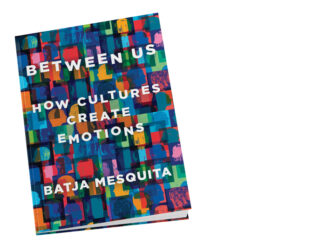
Susan Fader reviews Between Us, a book from Batja Mesquita (a pioneer of cultural psychology), which dissects the way culture shapes our emotional world. Using MINE and OURS models of emotion, the author effectively challenges the belief that emotional cues, socially accepted reactions, and empathy are universal across societies. A must-read for researchers seeking to understand the cultural perspectives surrounding our work. […]
© 2025 Qualitative Research Consultants Association. All rights reserved.