
By Sophie Cox
Managing Director
Firestar Research
Kuala Lumpur, Malaysia
sophie@firestarresearch.com
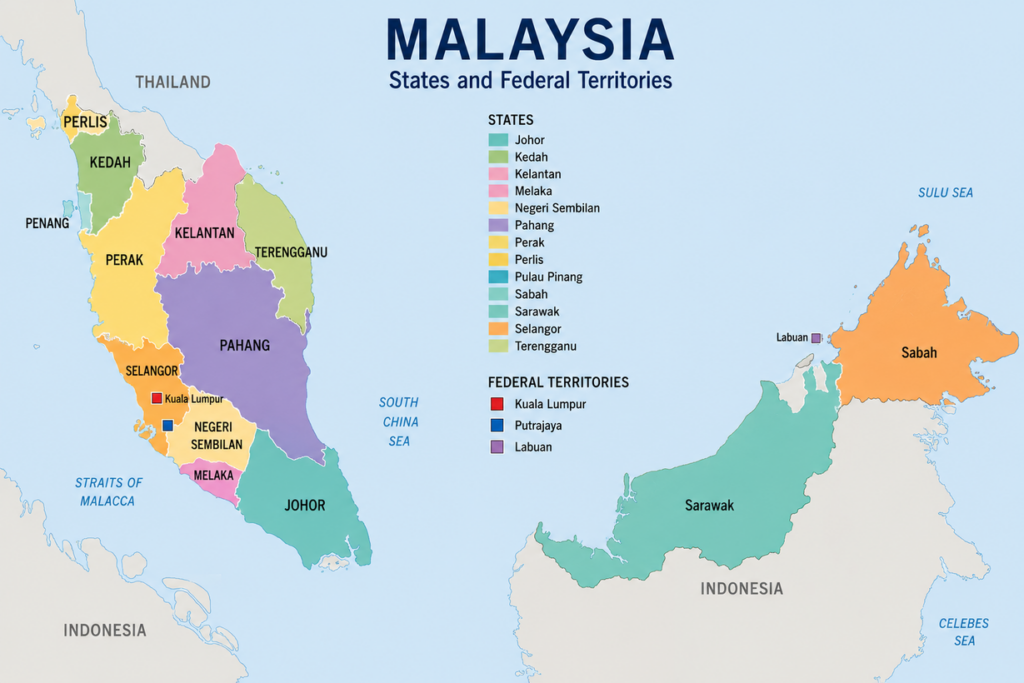
 Have you ever conducted research in East Malaysia? My friend, a media planner, asked me this question recently. Let me explain why: like the lower 48 of the United States, the majority of states of Malaysia are located on the Malay Peninsula, which extends like a finger below Thailand and points south toward Singapore and the equator. However, there are two Malaysian states, Sabah and Sarawak, which share the island of Borneo with the Kingdom of Brunei and the Indonesian province of Kalimantan. Separated by the South China Sea, these states are 400 miles away from the Malay Peninsula, and reachable from the rest of Malaysia only by air.
I have previously conducted research there—but before the pandemic. It’s challenging logistically and culturally, and the budget required to fly the whole team over there can make it prohibitively expensive. Now, however, these states are the only ones in Malaysia which are showing growth in household spending. Suddenly, clients who are based on the peninsula have been caught unawares and realize they have no cultural insight into East Malaysian populations.
This got me thinking more about how rarely we conduct research outside major metros. We seem to spend our research lives in capital cities and the occasional “second city” with a standard “four groups and some online ethnography” brief from most of the clients. Without a doubt, we recognize the value of venturing out beyond larger cities. But why do we seldom do this?
In this article, I speak with practitioners in the Southeast Asia region and beyond to understand their experiences and challenges when it comes to conducting work in small towns and rural areas.
Voices We Rarely Hear
The first person I spoke with was someone who has inspired me to think about a wider range of locations when it comes to conducting research, as this is the sole purpose of his company. Mark Hadfield is an ex-brand planner who runs a company in the UK called Meet the 85 Percent. He specializes in understanding the 85 percent of the UK population who live outside of Greater London. Mark reminded me that major metropolitan cities—particularly capital cities—are seldom truly representative of the whole population. Large, urban areas over-index on attributes such as educational attainment, and tend to be trendier, more sophisticated, and faster paced. Another point Mark made really struck home: “People want their voices heard; they want to feel that their voice, their community, and their local culture is being represented. Whether that’s in the press, whether that’s by brands, they want to feel like they’re being listened to.”
Around Southeast Asia, I heard similar perspectives. Luh Putu Candra Astiti runs a strategic consultancy called Pathfinder Business Consulting in Jakarta, Indonesia, and has also worked client-side in insights. Putu told me, “I often see client briefs which use the same template and stipulate the same methodologies, including the same locations. It’s so important to get out of [the major metros]. People in secondary cities have a different way of thinking and a different way of buying.” Putu also made the point that technology is now widely available in second-tier cities—meaning people who live in these secondary markets have broader access to information. However, their media influences are often starkly different from those in bigger cities—a distinction brands frequently overlook. For instance, in big cities, influencers may be global in nature, and a wide range of international media may be consumed. In secondary markets, influencers may be hyper-local with much smaller numbers of followers. In border regions, people may consume media from adjacent territories and rely on this more than on “national” channels or publications.
Su Myat Mint Shwe is Research Director at Zen Research Asia and is based in Yangon, Myanmar. She highlights different cultural and religious contexts that one might encounter when heading out of major metropolitan cities: “In a country like Myanmar, where ethnic diversity and ways of living vary so widely, staying within the main cities means you miss how people really think and behave outside those bubbles.” She shared that, for mass brands in particular, marketers may not truly understand how their product is selected and used unless they experience it for themselves.
It’s Not Easy—And That’s the Point
So why do we so often stick to our comfort zones in our city bubbles? Is it because we researchers prefer our everyday conveniences, which include coffee shops and viewing facilities? No doubt the clients’ requirements play a big role. Both Mark and Putu talked about how brand teams prefer to stick to easy and familiar territory. However, we can’t overlook the challenges we may encounter when we venture into second- or third-tier cities or farther afield to even more remote and rural locations. These challenges can be especially profound in emerging markets, such as those in Southeast Asia. Here are some research tips to consider:
- Research infrastructure is almost always undeveloped. For example, it may be challenging to find recruiters or simultaneous interpreters. There are unlikely to be any viewing facilities (there are none in the Philippines outside of Manila, and there is only one in Malaysia outside of Kuala Lumpur). In this situation, a hotel or other suitable venue would need to be identified. Arrangements may need to be made to record the sessions, and it may be necessary to consider remote viewing needs for overseas clients.
- Many markets in the region are multilingual and finding a moderator who can speak the local language or dialect is sometimes challenging. While there is usually a lingua franca (e.g., Bahasa Indonesia in Indonesia or Tagalog in Philippines), lower-income respondents may be more comfortable in their home dialect or language. Kelantan, a state on the eastern coast of Peninsular Malaysia, has a very unique and distinct dialect. No matter how much our moderator reminds respondents to “Please speak nice BM” (Bahasa Malaysia, the national language), when respondents get excited or talkative, they invariably slip back into Kelantanese. There are always big gaps in the transcripts. And trying to put this through an AI transcription service? No chance!
- Respondents may be unfamiliar with the research process. They are often more nervous than their counterparts in the city and may not be used to being asked their opinion. Expectations may be different—in many cases I have seen people turn up for a focus group with their whole family, looking forward to a good day out with free food! When recruiting research participants from smaller cities and towns, it’s important to set expectations early and often.
- Lifestyles may take on a different pace. For example, it may not be feasible to schedule groups in the evening. In many rural locations, respondents do not appreciate being invited to a group which finishes after dark. This may be due to security concerns or because they have family or other commitments in the evening, such as temple or mosque visits.
- The time required to travel—especially in large countries or those with poor infrastructure—can make research sessions challenging to schedule, particularly if the research is part of a multi-country project. Heading out of the main city can also add a substantial amount to the budget, not only due to out-of-pocket expenses, such as travel and accommodation, but because you may need to take the whole research team (including the moderator, recruiter, interpreter, and project manager).
 While some of these challenges may be outside of our control, we can take action to overcome some of the situations listed above:
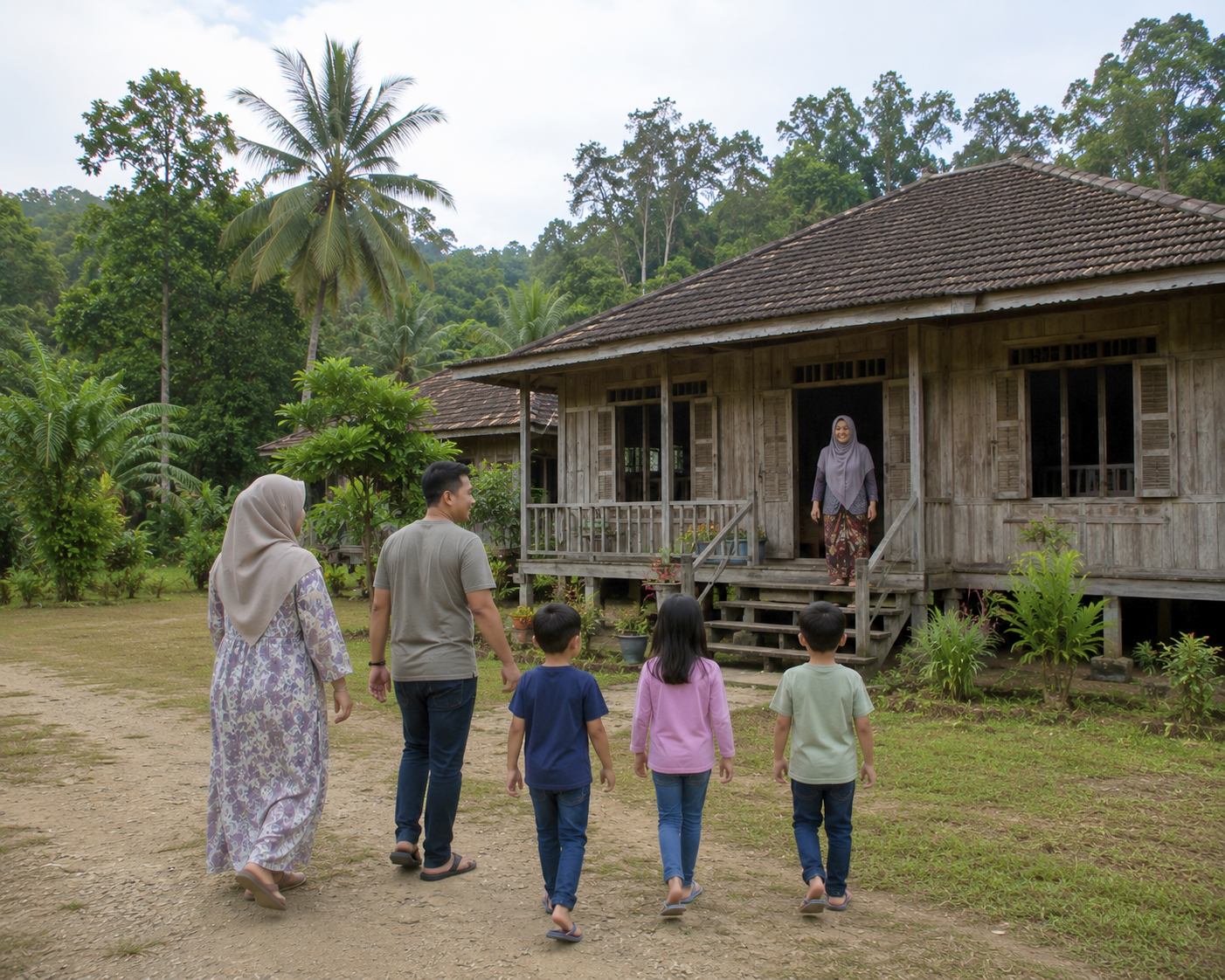
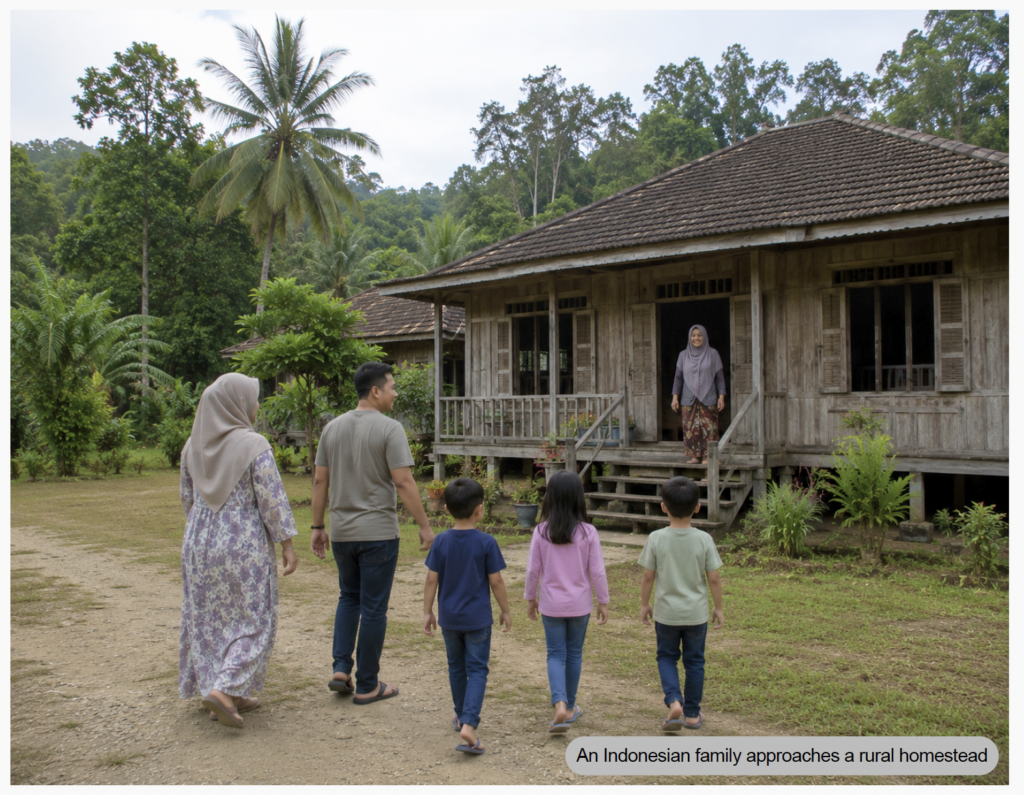
- Putu suggests thinking carefully about the venue. “Choose a hotel that is not a rich-person hotel. An upmarket place will be intimidating for people in smaller towns.” We have found that renting a local homestay also makes a good venue, as they are often similar in nature to a regular village house and reduce unease and feelings of dissonance.
- As part of selecting a venue, you may need to think about how you will accommodate clients. How comfortable will respondents be if they see foreigners? Where would the clients sit in a hotel setting or if you visit someone’s home? It’s also worth remembering that big-city comforts, such as air conditioning, may not be available. Even electrical outlets for recording equipment may be a challenge in deeply rural locations.
- Adjust the discussion guide. A rote-learning education system means people often seek the “right” answer and are not always comfortable expressing their personal opinion to strangers; this can be overcome with a longer warm-up period during which respondents can get used to the research process. We front-load questions about personal behavior or very familiar topics, such as their children or daily routine, leaving projective techniques or anything that requires an opinion for later in the group.
- Build in extra time. Once respondents get into the swing of a group or interview, they may become very excited and want to tell you everything! It is considered rude in most parts of Southeast Asia not to offer food to visitors, so for home visits, you may need to build in additional time for eating! And in general, things often move at a slower pace in more rural locations.
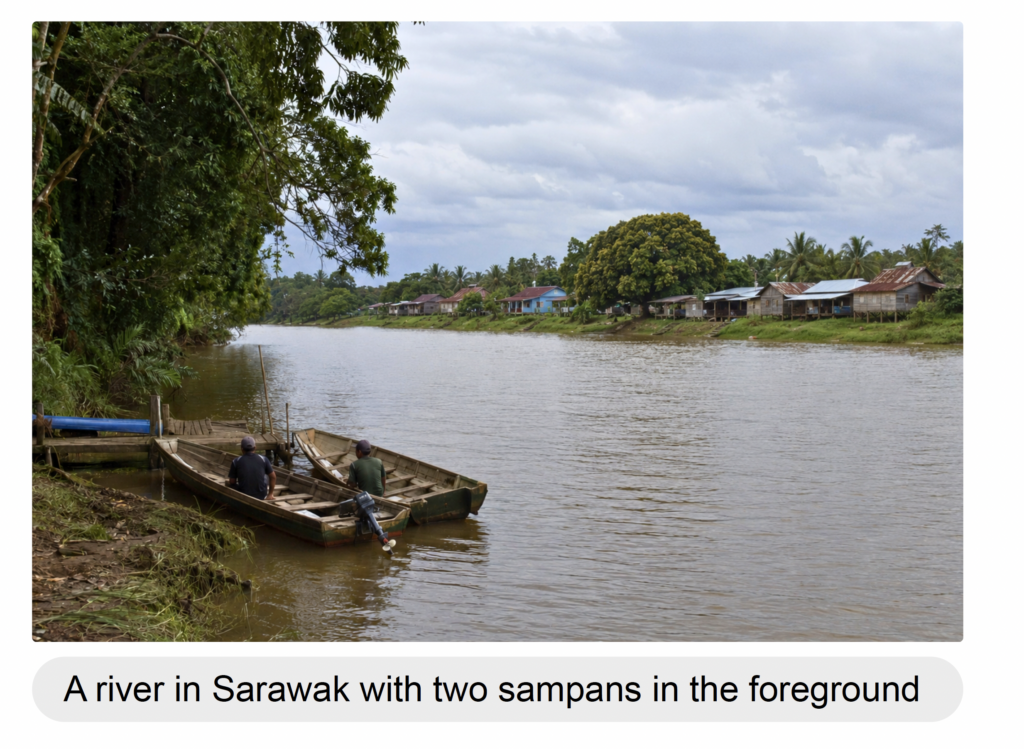
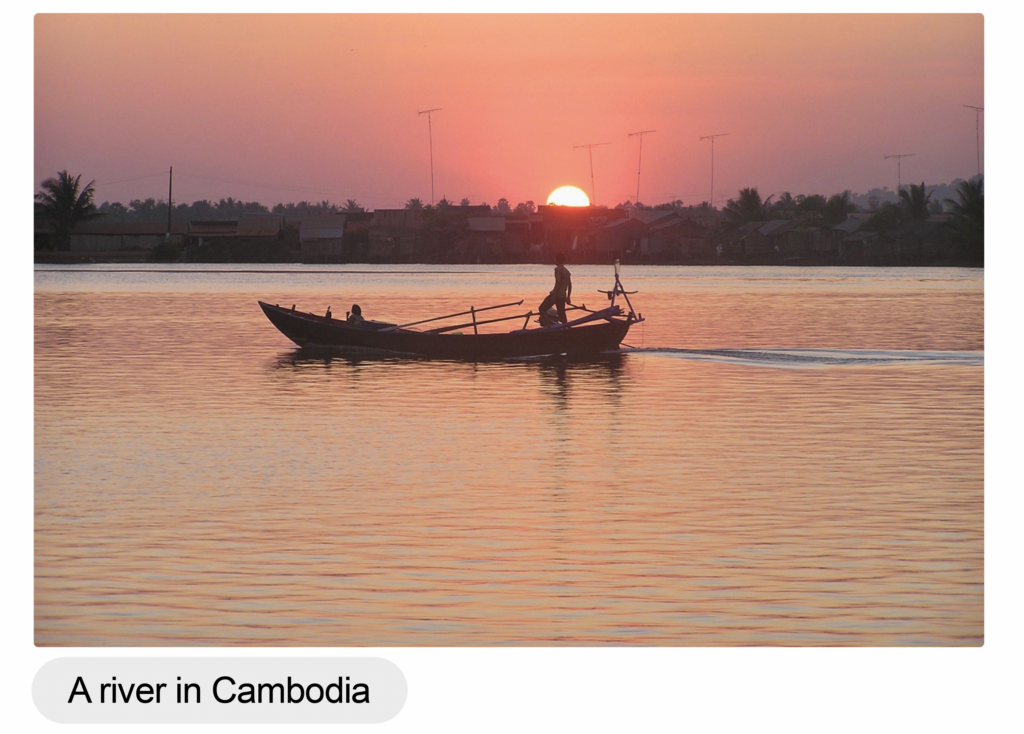
- Plan your travel meticulously. The title of this article comes from a colleague who went to an in-home visit in East Malaysia. There was no house number given. She called the respondent and the instruction was to “Take the sampan (small boat) across the river and then walk down the path until you see a big mango tree. Turn left there and that’s my house.” Working closely with local support, such as drivers or recruiters, can help in this situation, and we always call the respondent in advance to ask for directions and estimated travel time. It’s not always possible (or wise) to rely on Google Maps.
- Enjoy the hospitality. Generally, we’ve found that respondents in far-flung locations are extremely generous, both with their time and their hospitality. You will likely be offered wonderful food and amazing anecdotes. Stay curious and remember what a privilege it is when someone shares their life with you.
As resourceful researchers, we can find ways to overcome some of the challenges described in this article. Insights professionals gain immense value when we step out of our big city bubbles. It is also imperative that we gently push clients to be more adventurous and get a more rounded understanding of their brands and products. Plus, we get to come home with some amazing stories!